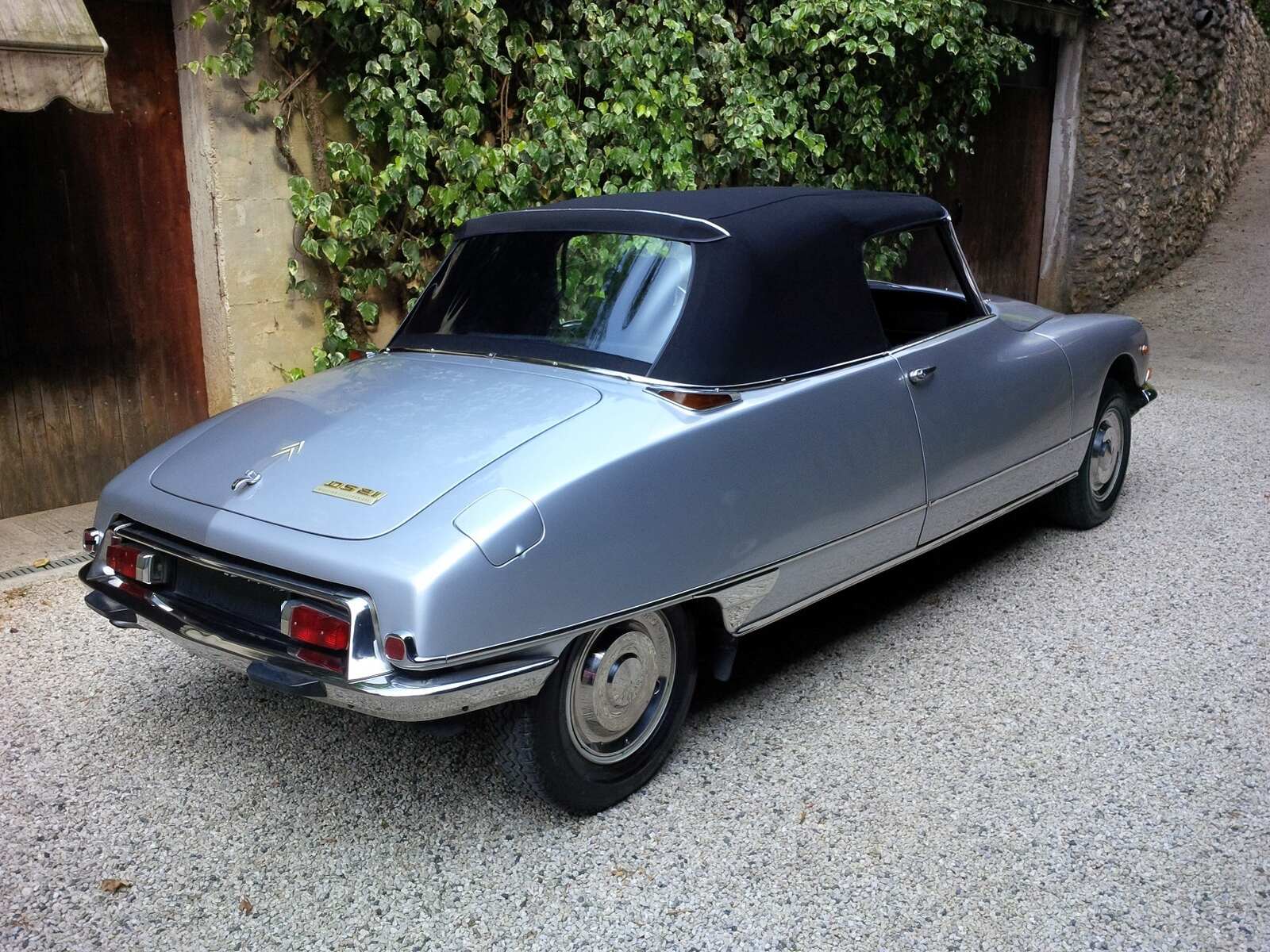
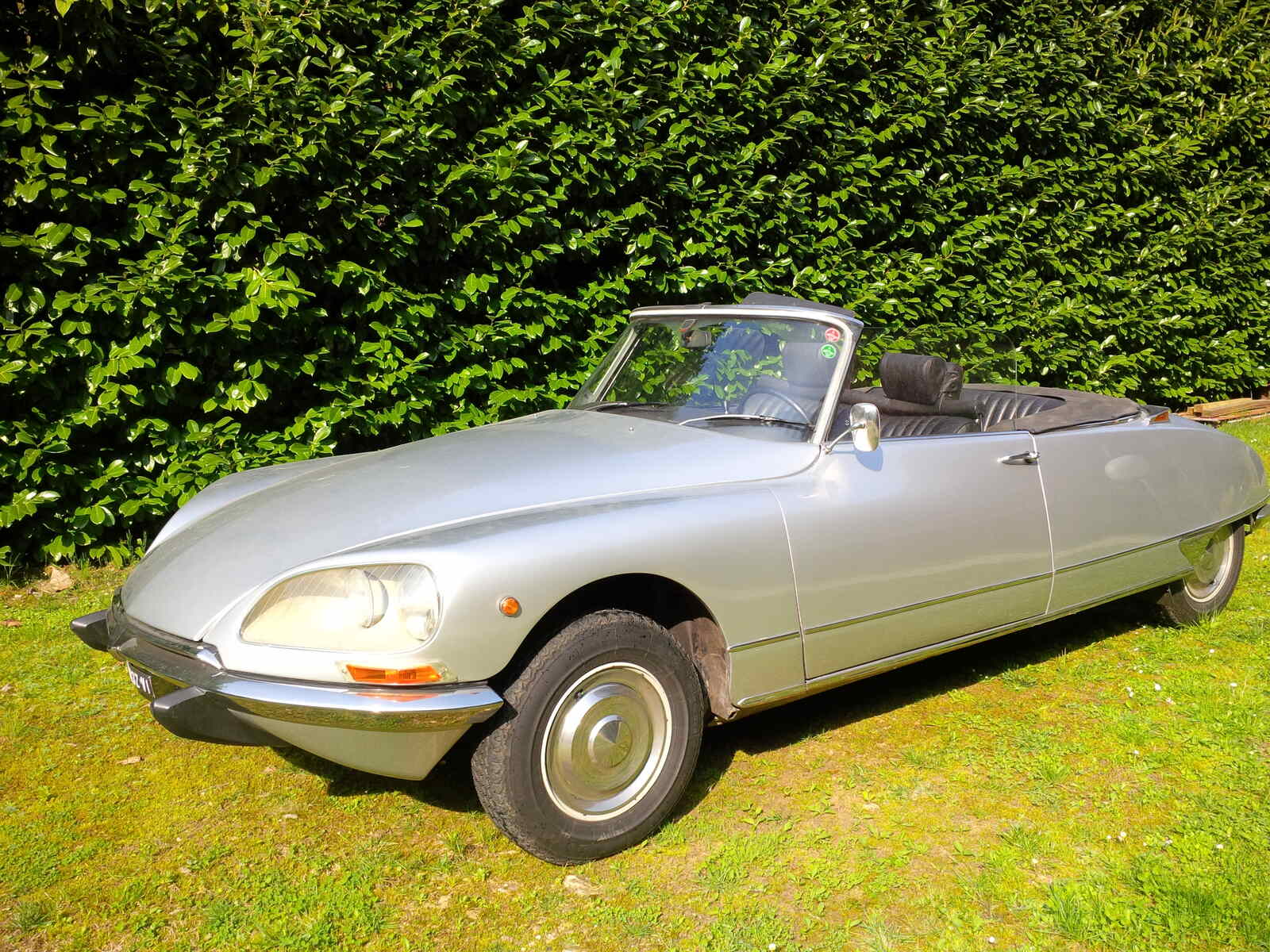
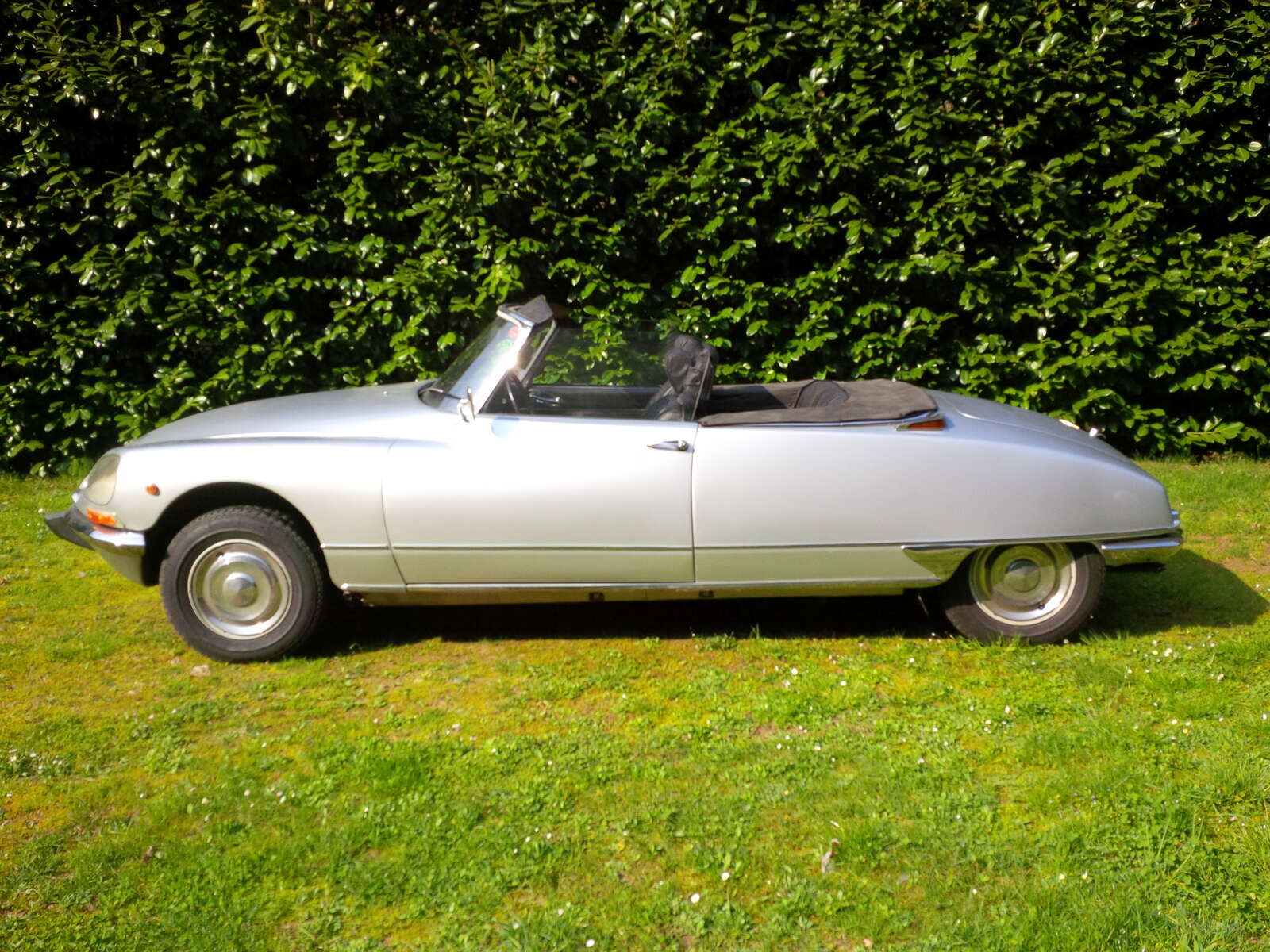
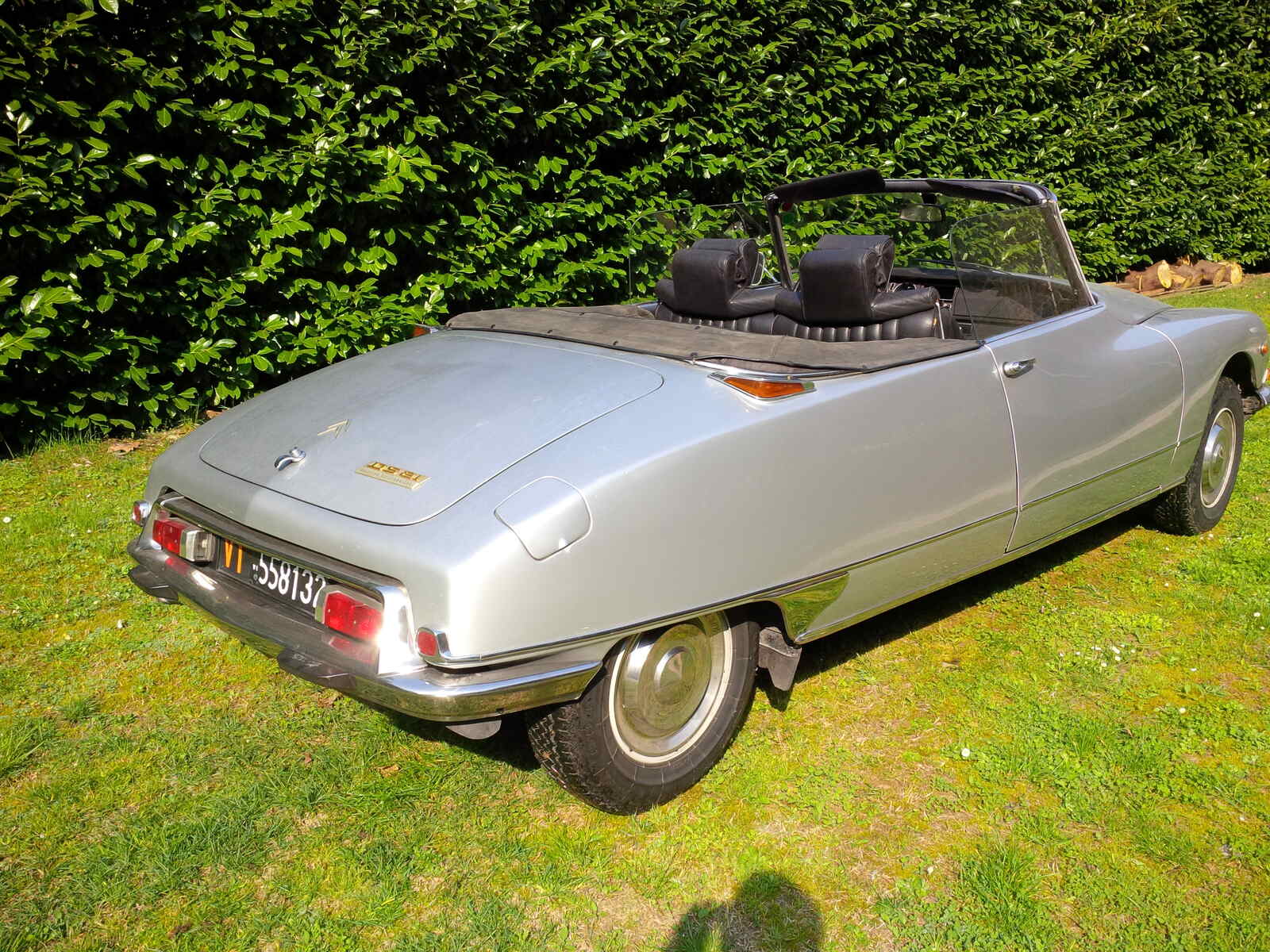
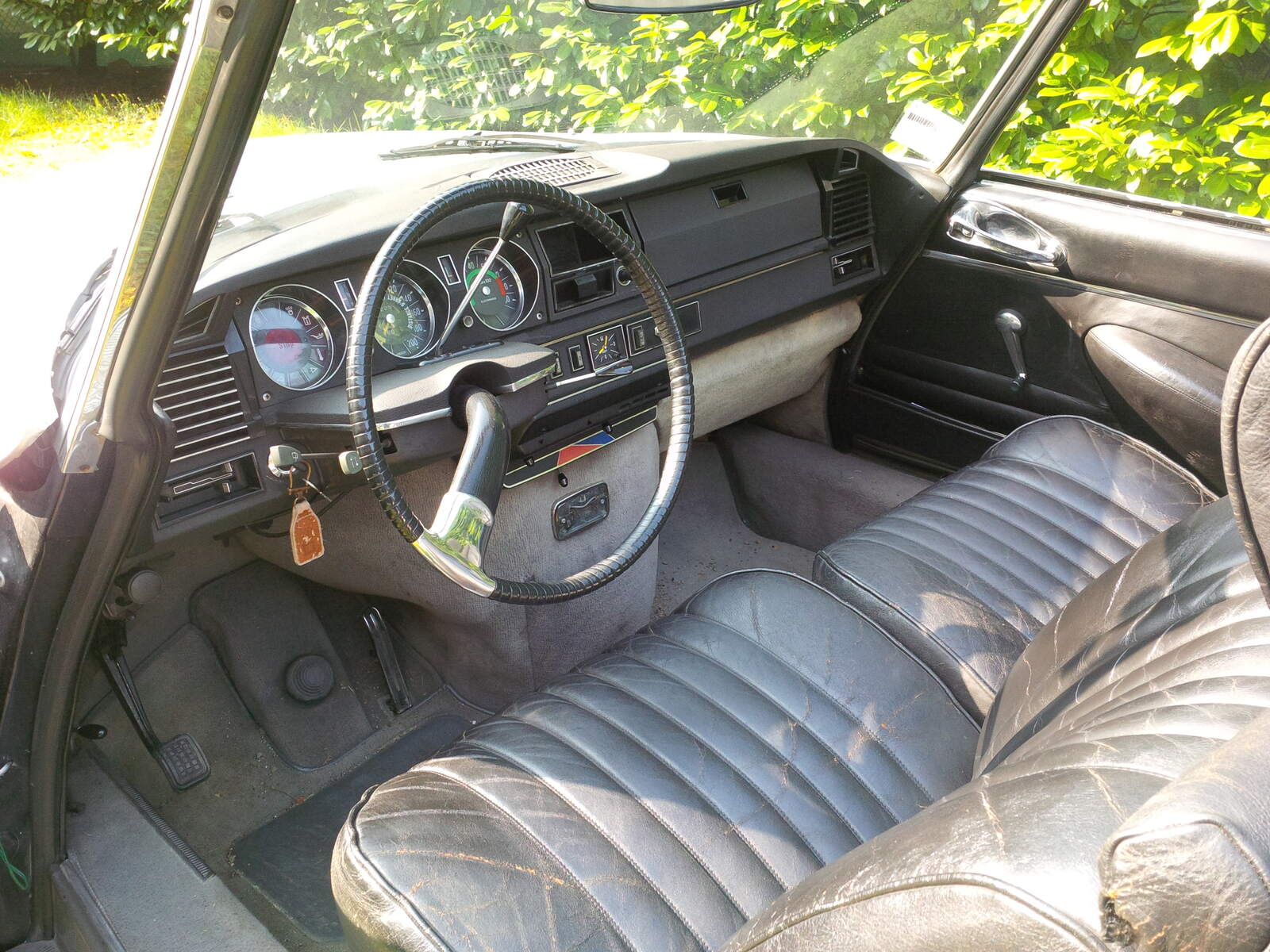
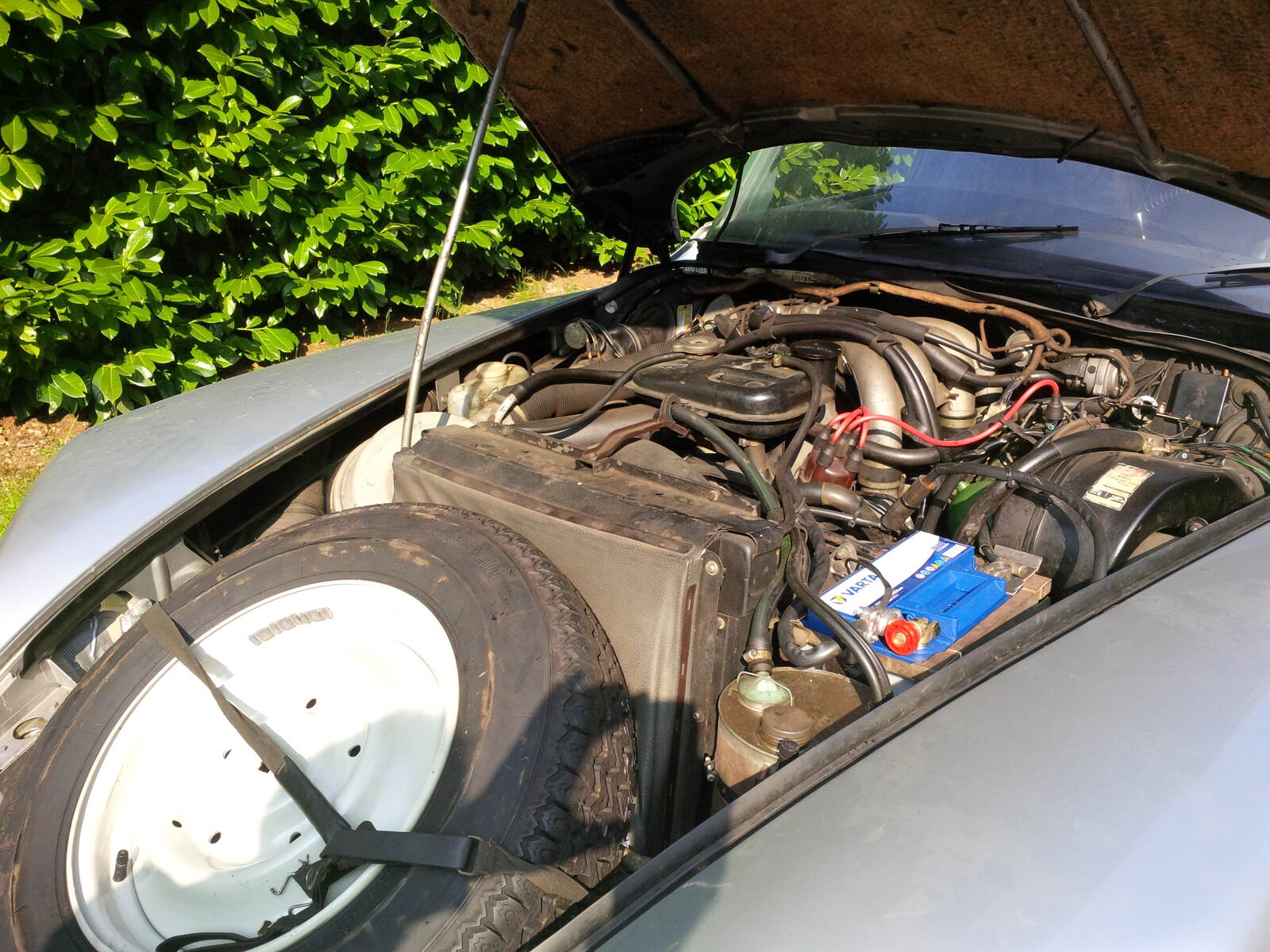
The 1971 Citroën DS 21 IE Cabriolet is one of the most elegant and technically advanced open European classics of its era, combining the revolutionary DS platform with fuel injection, hydropneumatic suspension and the highly desirable factory-cabriolet tradition associated with Henri Chapron.
This specific 1971 Citroën DS 21 IE Cabriolet has been sold and is now preserved in the Giro Classico archive of previously handled collector cars. The current page is temporarily protected from direct access, so the description below focuses on the verified historical characteristics of the model and avoids adding unsupported car-specific details.
1971 Citroën DS 21 IE Cabriolet
The Citroën DS was one of the most technically ambitious production cars of the twentieth century.
Its combination of:
- hydropneumatic self-levelling suspension
- front-wheel drive
- power-assisted systems
- aerodynamic bodywork
- disc brakes
- advanced steering and braking
- exceptionally comfortable long-distance driving
made it radically different from almost every contemporary saloon.
The Cabriolet transformed this engineering into a far more exclusive open grand tourer.
Cabriolet d’Usine and Henri Chapron
The most collectible DS convertibles are the genuine Cabriolets d’Usine, factory-sanctioned cars constructed with Henri Chapron’s involvement.
Chapron had already built his own limited-production DS convertibles before Citroën adopted the concept officially.
Factory convertibles used specially reinforced structures and bespoke bodywork rather than simply removing the roof from a saloon.
This distinction is extremely important today because the market also contains later conversions.
When evaluating a DS Cabriolet, buyers should verify whether the car is:
- a genuine factory Cabriolet d’Usine
- a period Chapron special
- or a later conversion
These categories can have very different collector values.
DS 21 IE: electronic fuel injection
The DS 21 IE uses Citroën’s 2,175 cc four-cylinder engine with electronic fuel injection.
The “IE” designation refers to Injection Électronique.
Compared with earlier carburettor versions, fuel injection offered:
- more precise fuel delivery
- improved throttle response
- better cold starting
- greater drivability
- stronger performance
For collectors, the DS 21 IE Cabriolet combines the sophistication of a late DS with the rarity and elegance of the open body.
Hydropneumatic suspension
No discussion of the DS is complete without its hydropneumatic suspension.
The system uses pressurised hydraulic fluid and gas spheres to provide:
- automatic ride-height control
- exceptional ride comfort
- consistent suspension behaviour under load
- adjustable ground clearance
The system became central to Citroën’s identity and remains one of the defining engineering features of the DS.
A correctly maintained system can work exceptionally well, but condition and servicing should always be verified before purchase.
Directional covered headlights
Later DS models are also famous for their streamlined front treatment with covered headlights, including directional inner lamps on suitable specifications.
The design gave the late DS a futuristic appearance and reinforced the car’s aerodynamic identity.
For a 1971 Cabriolet, correct late-series body and lighting details are particularly important when assessing originality.
Why the DS Cabriolet is so collectible
A genuine DS Cabriolet combines several factors that collectors value highly:
- iconic Citroën design
- limited production
- Chapron involvement
- technically advanced engineering
- open bodywork
- exceptional ride quality
- strong international recognition
Factory DS cabriolet production across the DS 19 and DS 21 families is generally cited at around 1,365 examples between 1960 and 1971, making genuine cars far rarer than saloons.
Because surviving cars have often been restored or reconstructed, historical verification is essential.
1971: the final year of factory Cabriolet production
The year 1971 is especially important because it marked the end of the factory DS Cabriolet programme.
That gives a genuine 1971 DS 21 IE Cabriolet particular appeal as a late-production example combining:
- electronic injection
- mature DS engineering
- late-series styling
- the final phase of factory open-body production
For buyers focused on collectability, this makes a properly documented 1971 car especially interesting.
What to inspect before buying a Citroën DS Cabriolet
A specialist pre-purchase inspection should include:
- chassis and platform corrosion
- sill structure
- floor sections
- rear suspension mounting areas
- Cabriolet reinforcement structure
- body authenticity
- Chapron identification
- hydraulic system
- suspension spheres
- hydraulic pump
- steering
- brakes
- engine
- fuel injection
- cooling system
- gearbox
- roof mechanism
- interior and trim
- documentation and provenance
The most important element is often identity rather than appearance.
A beautifully restored car should still be checked carefully to confirm whether it is a genuine period factory Cabriolet.
Original Cabriolet or later conversion?
This is one of the most important questions in the DS market.
A true factory Cabriolet should be supported by:
- chassis information
- factory records
- Chapron documentation where available
- correct body structure
- period construction details
- provenance
Later conversions can still be attractive and enjoyable cars, but they should not be represented or valued in the same way as an authentic factory Cabriolet d’Usine.
This 1971 Citroën DS 21 IE Cabriolet has been sold
This specific 1971 Citroën DS 21 IE Cabriolet is no longer available and remains online as part of Giro Classico’s handled-car archive.
Giro Classico continues to provide sourcing, provenance research, pre-purchase inspection, valuation and international logistics for important European collector cars.
Looking for a comparable classic currently available?
There is currently no direct Citroën DS Cabriolet replacement in the Giro Classico inventory.
For buyers attracted by the same broad themes of open European motoring, strong design identity and 1960s collector appeal, the most relevant current alternative is the 1965 Porsche 356 SC Cabriolet.
The Porsche is mechanically very different, but it appeals to a similar collector looking for:
- an important European convertible
- limited-production character
- strong brand heritage
- analogue driving
- international event usability
- high-level collectability
For someone specifically searching for another DS Cabriolet, however, dedicated sourcing remains the better route.
Looking specifically for another Citroën DS Cabriolet?
Giro Classico can assist with the search for:
- Citroën DS 21 IE Cabriolet
- DS 19 Cabriolet
- genuine Cabriolet d’Usine
- period Chapron convertibles
- DS 23 IE Pallas
- exceptional original or restored DS models
The service can include:
- private and off-market sourcing
- factory and coachbuilder research
- authenticity verification
- restoration assessment
- hydraulic-system inspection
- pre-purchase due diligence
- valuation
- negotiation
- international logistics
Discover Giro Classico’s Collector Car Advisory service
For further information regarding sourcing a Citroën DS 21 IE Cabriolet, verifying genuine Cabriolet d’Usine or Chapron provenance, assessing restoration quality or arranging a specialist inspection and international transport, please contact us directly.
Because in the end, we never truly own these cars, we simply preserve them for the next generation.
Follow us on Instagram: @giro.classico