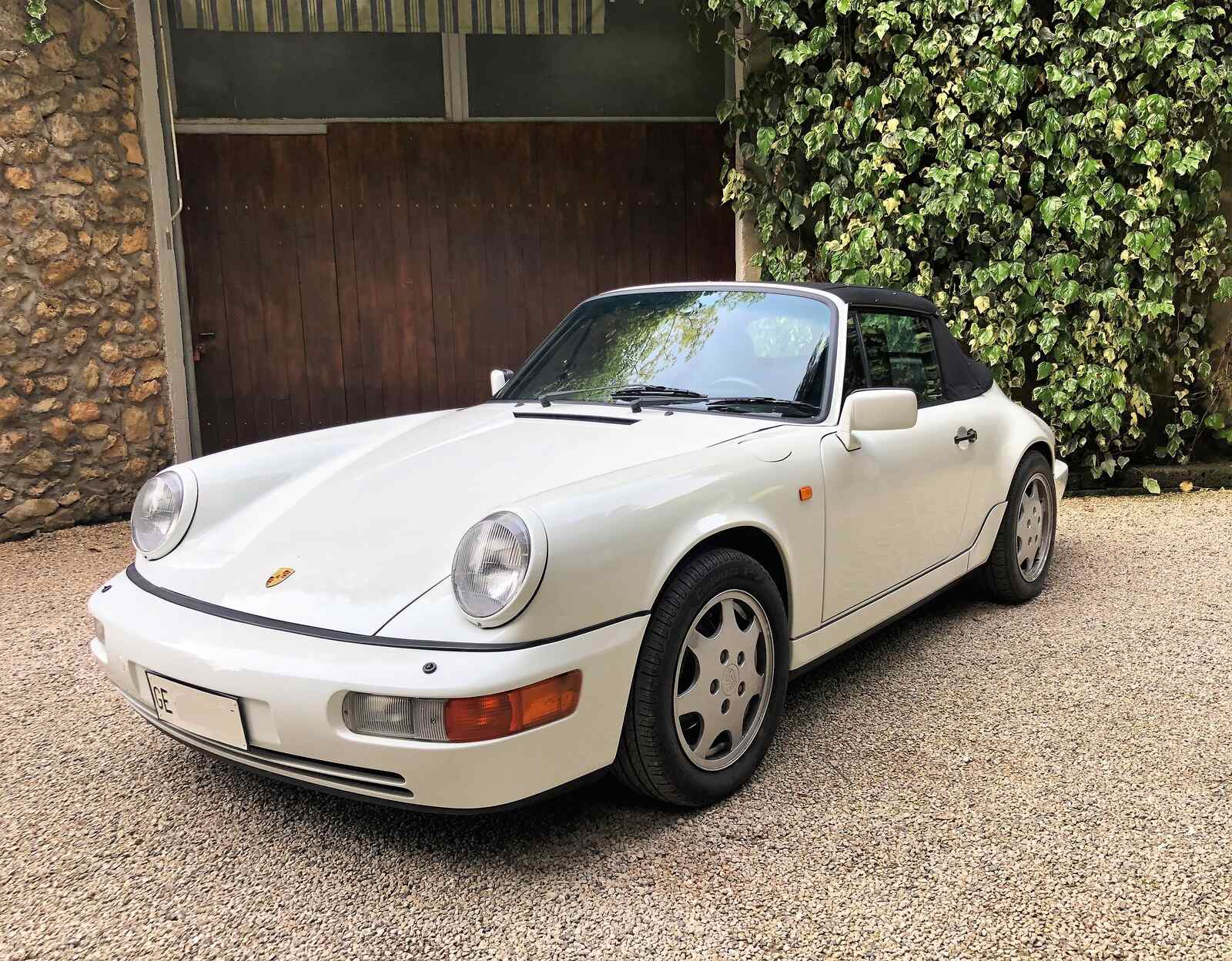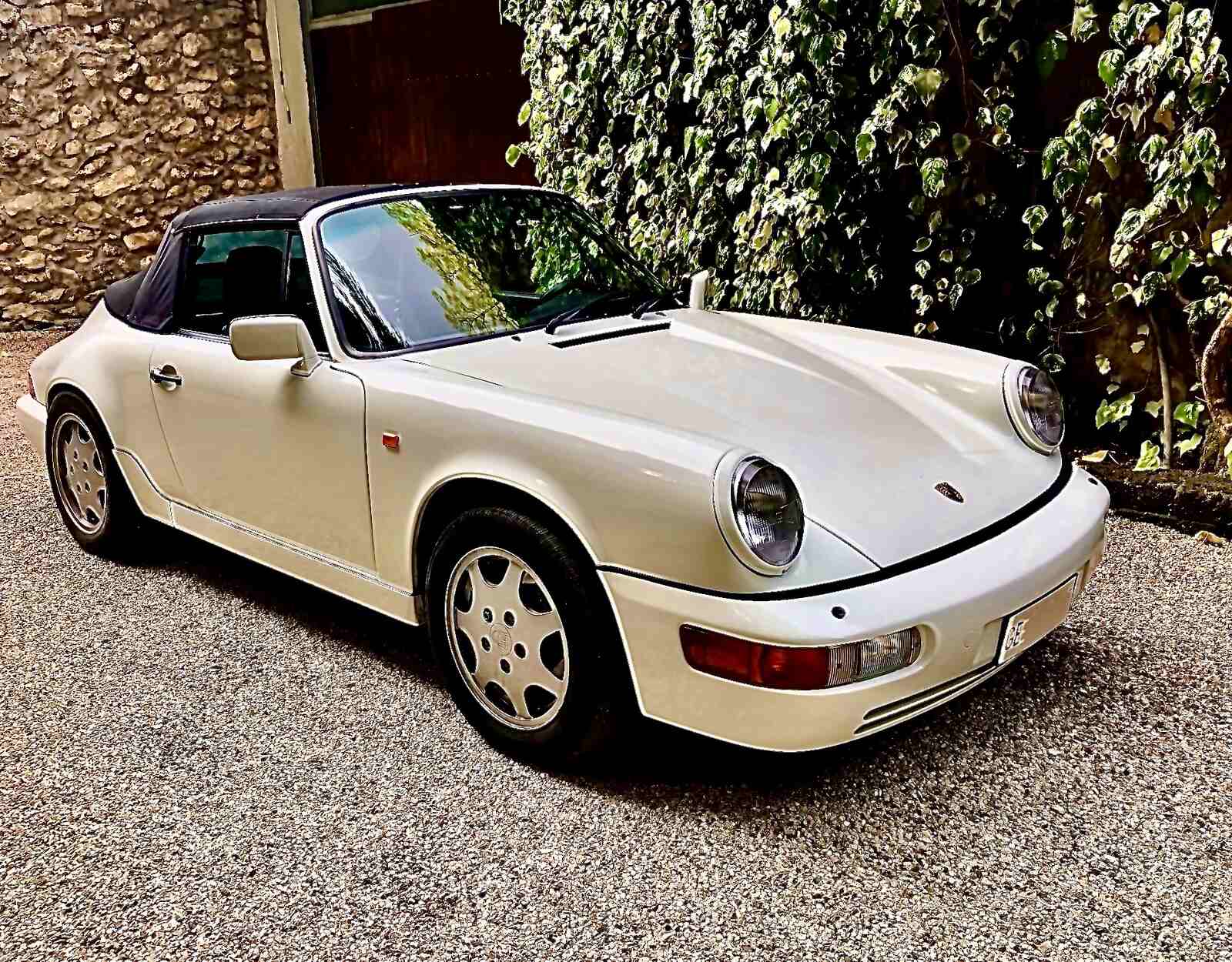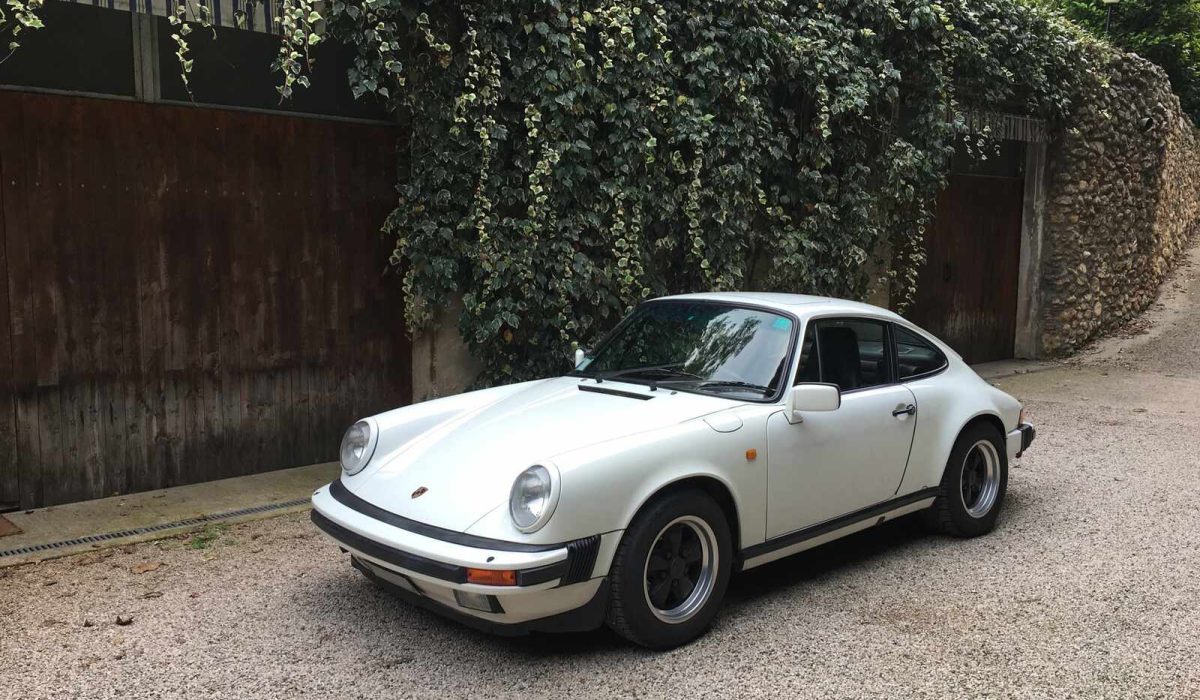
The 1986 Porsche 911 Carrera 3.2 Coupé represents one of the most usable and desirable evolutions of the classic air-cooled 911, combining the traditional G-Series body with a larger 3.2-litre flat-six, electronic fuel injection and the analogue driving character that defines Porsche’s most iconic sports car.
This specific 1986 Porsche 911 Carrera 3.2 Coupé has been sold and is now part of the Giro Classico archive. The original page confirms its SOLD status and identifies the model as part of the Carrera 3.2 generation produced from 1984 to 1989.
1986 Porsche 911 Carrera 3.2 Coupé
The Carrera 3.2 replaced the 911 SC in 1984 and became the final major evolution of the traditional impact-bumper 911 before the arrival of the 964.
Its key features included:
- 3,164 cc air-cooled flat-six
- Bosch electronic fuel injection
- rear-wheel drive
- manual transmission
- four-wheel disc brakes
- classic G-Series bodywork
- approximately 231 hp in European specification
Around 85,000 Carrera 3.2 models were produced across Coupé, Targa and Cabriolet body styles before production ended in 1989.
The 3.2-litre air-cooled flat-six
The most important mechanical development over the preceding SC was the enlarged 3,164 cc boxer six-cylinder engine.
Porsche combined the increased displacement with digitally controlled electronic fuel injection, improving:
- power
- throttle response
- fuel efficiency
- cold starting
- drivability
- reliability
European-market cars could produce around 231 hp, giving the Carrera 3.2 strong performance while retaining the mechanical character of the earlier air-cooled 911.
Why the 1986 model year matters
The 1986 Carrera 3.2 is particularly interesting because it belongs to the last generation fitted with the traditional 915 manual gearbox.
From 1987, Porsche introduced the later G50 transmission with hydraulic clutch, which offered a different shift feel and improved ease of operation.
For collectors, this creates two different schools of thought:
- 1984–1986 cars for the more traditional 915 driving experience
- 1987–1989 cars for the smoother G50 gearbox
Neither is universally better. The 915 is often preferred by drivers looking for a more mechanical, period-correct character.
Carrera 3.2 versus 911 SC
The Carrera 3.2 retained much of the visual identity of the SC but introduced important mechanical improvements.
Compared with the 911 SC, the Carrera 3.2 offered:
- larger displacement
- more power
- electronic rather than mechanical fuel injection
- improved efficiency
- revised interior details
- further development of Porsche’s proven air-cooled platform
This balance between classic appearance and improved usability is a major reason the Carrera 3.2 remains so popular.
Coupé, Targa or Cabriolet?
The Carrera 3.2 was available in three principal body styles:
Coupé
- strongest structural rigidity
- traditional 911 silhouette
- particularly popular with enthusiastic drivers
Targa
- removable roof panel
- distinctive rollover hoop
- open-air driving with strong 911 identity
Cabriolet
- fully open roof
- more touring-oriented character
- increasingly important during the 1980s
For many collectors, the Coupé remains the purest interpretation of the Carrera 3.2.
What to inspect before buying a Porsche 911 Carrera 3.2
A proper pre-purchase inspection should focus on:
- body corrosion
- previous accident repairs
- panel alignment
- engine oil leaks
- cylinder head condition
- valve guides
- compression
- fuel injection
- 915 gearbox operation
- clutch
- brakes
- suspension
- steering
- Fuchs wheels
- electrical equipment
- interior
- service history
Air-cooled 911s are mechanically durable, but deferred maintenance and poor restoration work can become expensive.
The importance of the 915 gearbox
The 915 transmission rewards correct technique but should shift cleanly when properly adjusted and maintained.
During an inspection, particular attention should be paid to:
- second-gear synchromesh
- shift linkage
- clutch condition
- gearbox oil leaks
- bearing noise
A difficult shift does not automatically mean the transmission requires a full rebuild, but it deserves specialist assessment.
Originality and provenance
For Carrera 3.2 values, important factors include:
- original engine
- correct gearbox
- factory colour
- original body panels
- service history
- accident history
- mileage documentation
- option specification
- quality of restoration or preservation
A well-documented, largely original example can often be more desirable than a cosmetically perfect car with unclear history.
Why the Carrera 3.2 is collectible
The Carrera 3.2 occupies an important position in Porsche history.
It combines:
- classic air-cooled engineering
- traditional 911 proportions
- relatively modern drivability
- strong parts availability
- excellent touring capability
- analogue controls
- internationally recognised design
It is also the final generation before the substantially more modern 964 introduced power steering, ABS and greater electronic sophistication.
This 1986 Porsche 911 Carrera 3.2 has been sold
This specific 1986 Porsche 911 Carrera 3.2 Coupé is no longer available. The Giro Classico page clearly confirms that the car has already been sold.
The page remains online as a useful reference for collectors researching air-cooled Porsche 911s and as part of Giro Classico’s archive of previously handled cars.
Looking for an air-cooled Porsche 911 currently available?
For a visitor arriving on this sold Carrera 3.2 page, the strongest current inventory alternative is the 1970 Porsche 911 S 2.2 Coupé.
Discover the 1970 Porsche 911 S 2.2 Coupé currently available at Giro Classico
The current car is an earlier and considerably rarer interpretation of the same core 911 philosophy. Giro Classico lists it at €155,000.
It features:
- original matching-numbers Type 911/02 engine
- 2,195 cc flat-six
- mechanical fuel injection
- 180 hp
- correct Type 911/01 gearbox
- original Tangerine 018 colour
- original Fuchs wheels
- complete documented restoration
- owner’s manual and original tool kit
It is chassis number 1643 of just 1,744 Porsche 911 S examples produced for the 1970 model year.
Carrera 3.2 or early 911 S?
The two cars appeal to different priorities.
The 1986 Carrera 3.2 offers:
- more power and torque
- electronic fuel injection
- greater comfort
- easier long-distance use
- 1980s G-Series character
The 1970 911 S 2.2 offers:
- lighter construction
- mechanical fuel injection
- greater rarity
- early long-bonnet design
- stronger historic significance
For someone specifically searching for another Carrera 3.2, sourcing remains the most appropriate route. For a collector looking for an important air-cooled 911 currently available, the 1970 911 S is the strongest internal alternative.
Looking specifically for another Porsche 911 Carrera 3.2?
Giro Classico can assist with the search for:
- Carrera 3.2 Coupé
- Carrera 3.2 Targa
- Carrera 3.2 Cabriolet
- 915 or G50 cars
- European-market examples
- low-mileage original cars
- restored collector-grade 911s
The process can include:
- private sourcing
- Porsche documentation verification
- pre-purchase inspection
- accident-history assessment
- matching-number checks
- valuation
- negotiation
- international transport
Discover Giro Classico’s Collector Car Advisory service
For further information regarding sourcing a Porsche 911 Carrera 3.2, evaluating a 915 or G50 example, arranging a specialist inspection, or regarding the 1970 Porsche 911 S 2.2 currently available, please contact us directly.
Because in the end, we never truly own these cars, we simply preserve them for the next generation.
Follow us on Instagram: @giro.classico